Library Date Due Card Librarian Design: A Nostalgic Charm
Remember the satisfying thud of a librarian's stamp pressing into a thick cardstock slip, the handwritten dates in crisp red ink, and the quiet anticipation of a story waiting to be read? That specific, tactile nostalgia is exactly what the Library Date Due Card Librarian Design captures. It's more than just a retro graphic; it's a direct emotional connection to a cherished ritual for book lovers, a visual shorthand for knowledge, community, and the quiet magic of a library. For designers and creators, this vintage stationery aesthetic offers a powerful, story-rich tool to evoke warmth, authenticity, and intellectual curiosity in any project.
Unpacking the Visual Appeal: More Than Just a Throwback
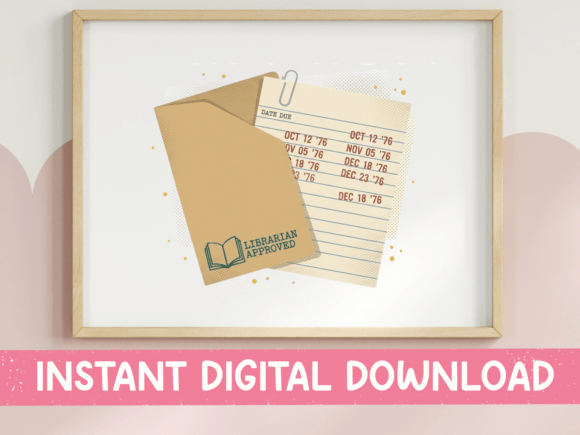
This design's strength lies in its layered authenticity. It’s not a sterile, modern interpretation of vintage. Instead, it presents a cohesive scene: a kraft paper envelope card stamped with a "Librarian Approved" book icon, paired with a classic white date due slip filled with those iconic handwritten return dates. Styled against a soft cream background with delicate gold confetti dots, the composition feels both curated and discovered, like finding a forgotten treasure in a used bookstore. The mix of textures—the rough kraft, the smooth paper, the bold stamp, and the elegant ink—creates a rich visual experience that works beautifully as a standalone element or as part of a larger brand identity.
The color palette is intentionally muted and warm, making it incredibly versatile. The cream, kraft brown, and red ink provide a classic, gender-neutral foundation that can be easily adapted. You can overlay your own brand colors, use it as a background texture, or let the central design elements stand alone. This adaptability is a hallmark of a well-crafted premium font or design asset—it serves the creator's vision, not the other way around.
Practical Applications for Modern Creators
So, where does this nostalgic charm find its home in today's projects? The applications are surprisingly broad, spanning both physical and digital realms. Think of it as a design Swiss Army knife with a vintage soul.
- Branding & Logo Design: For indie bookstores, literary cafes, editing services, or educational consultants, this design can anchor a logo design or brand mark. It instantly communicates a focus on literature, learning, and curated knowledge. Imagine a bookstore's loyalty card or a teacher's resource site using this as a header graphic.
- Packaging & Merchandise: This is where the design truly shines. Use it to create stunning packaging design for book subscription boxes, artisanal stationery, or handmade goods. It translates perfectly to tote bags, mugs, bookmarks, and notebooks—the very items a book lover cherishes.
- Digital Presence: Elevate your web design and social media graphics. A library date due card makes a fantastic website banner for an author's blog, a unique background for quote graphics on Instagram, or an engaging thumbnail for a book review YouTube channel. It adds texture and story to flat digital spaces.
- Print & Editorial: In editorial design, it can frame chapter headings in a book about reading, add a thematic touch to a library newsletter, or create beautiful, nostalgic invitations for a book club launch or literary event.
- Marketing Assets: Create cohesive marketing assets like email headers, sale announcements for a bookstore, or social media ads that feel authentic and connected to a reading audience. The design does the heavy lifting of establishing mood and context.
Enhancing Your Projects with Intentional Design
Using a thematic asset like this isn't just about decoration; it's about strategic communication. Here’s how it can elevate your work:
Boost Brand Recognition: Consistency is key. By incorporating this library aesthetic across multiple touchpoints—from your website favicon to your packaging tape—you create a memorable, cohesive world for your audience. This visual consistency builds trust and makes your brand instantly recognizable in a crowded market.
Improve Audience Engagement: Nostalgia is a powerful emotional trigger. For a generation that remembers physical card catalogs, this design fosters an immediate, positive connection. It can increase engagement on social media posts, make email newsletters more enjoyable to read, and encourage longer visits to a website that feels thoughtfully designed.
Ensure Professional Presentation: A well-chosen creative font or design asset signals professionalism and attention to detail. It shows you’ve invested thought into the visual experience, which reflects on the quality of your service, product, or content. It moves a project from "assembled" to "designed."
Tips for Seamless Integration
To get the most out of this design, consider these practical steps:
- Match to Your Project's Tone: Is your project whimsical, scholarly, or warmly nostalgic? This design leans into a authentic, slightly textured vintage feel. It pairs wonderfully with other serif fonts or clean sans serif fonts for body text. Avoid pairing it with overly futuristic or grunge typography that might clash with its refined, bookish personality.
- Test Your Font Pairings: If you're using the design alongside text, font pairing is crucial. A simple, readable display font for headlines and a neutral sans serif font for paragraphs often work best, letting the intricate library card design be the star. Always test readability at various sizes.
- Understand the File Formats: The included SVG and PNG files offer tremendous flexibility. The SVG is a scalable vector file, perfect for resizing in programs like Adobe Illustrator or for use with cutting machines like Cricut—ideal for creating physical merchandise. The high-resolution PNG with a transparent background is ready for direct use in sublimation, printing, or layering in graphic design software like Canva or Photoshop.
- Check Commercial Licensing: Before using the design for products you sell, always verify the licensing terms. Most reputable design assets for commercial use will specify what is permitted, ensuring you can create and sell your merchandise, prints, or digital products without legal concerns.
Ultimately, the Library Date Due Card Librarian Design is a versatile, emotionally resonant asset. It bridges the gap between analog warmth and digital creation, offering designers, entrepreneurs, and hobbyists a way to infuse their work with the timeless, comforting appeal of the library. It’s a tool for telling stories, not just with words, but with the very textures and symbols that celebrate them.